

Power Stations & Substations – Installation & Maintenance in the United Kingdom

Power Stations: Installation & Maintenance
The United Kingdom’s energy infrastructure is a complex and vital network essential for powering homes, businesses, and industries. Central to this network are power stations and substations, which generate and distribute electricity across the country. Coljoint Electrical Services specialises in the installation and maintenance of these critical components, whether for large-scale infrastructure projects, industrial facilities, or residential buildings, ensuring a reliable and efficient energy supply for the UK.
Installation
Design and Engineering
- Custom designs are developed to match the specific energy demands of the building or infrastructure. This includes selecting the appropriate type and size of power generation equipment, such as turbines, boilers, or solar panels.
- Detailed engineering plans ensure that the installation integrates seamlessly with existing systems and infrastructure.
Construction
- For large-scale projects, this involves civil engineering, mechanical and electrical work, and the installation of control systems. For smaller setups, the construction phase may include rooftop solar installations or compact combined heat and power (CHP) systems.
- Ensuring all construction meets regulatory standards and is carried out safely is paramount.
Commissioning
- Testing and calibrating equipment to ensure optimal performance, tailored to the specific requirements of the building or infrastructure.
- Gradual ramp-up of operations to full capacity, with continuous monitoring and adjustments to meet demand.
Maintenance
Maintaining power stations, whether large or small, is crucial for efficient operation and longevity. Coljoint Electrical Services provides comprehensive maintenance services, including:
Routine Inspections: Regular checks of equipment and systems, regardless of size, to identify potential issues before they lead to failures. For smaller systems like those in residential buildings, inspections may be less frequent but still critical for ensuring reliability.
Preventive Maintenance: Scheduled maintenance tasks such as cleaning, lubrication, and parts replacement prevent unexpected breakdowns and maintain efficiency. For buildings and smaller infrastructures, this may include checking the health of solar panels, batteries, and other renewable energy components.
Corrective Maintenance: Rapid response to breakdowns or malfunctions, minimizing downtime and restoring operations quickly. In buildings, this ensures that essential services, like heating and lighting, remain uninterrupted.
Safety and Compliance: Regular safety drills and compliance audits ensure that all installations, regardless of scale, meet industry standards and government regulations. This includes training for staff and residents on emergency procedures and equipment handling.
Substations: Installation & Maintenance

Installation
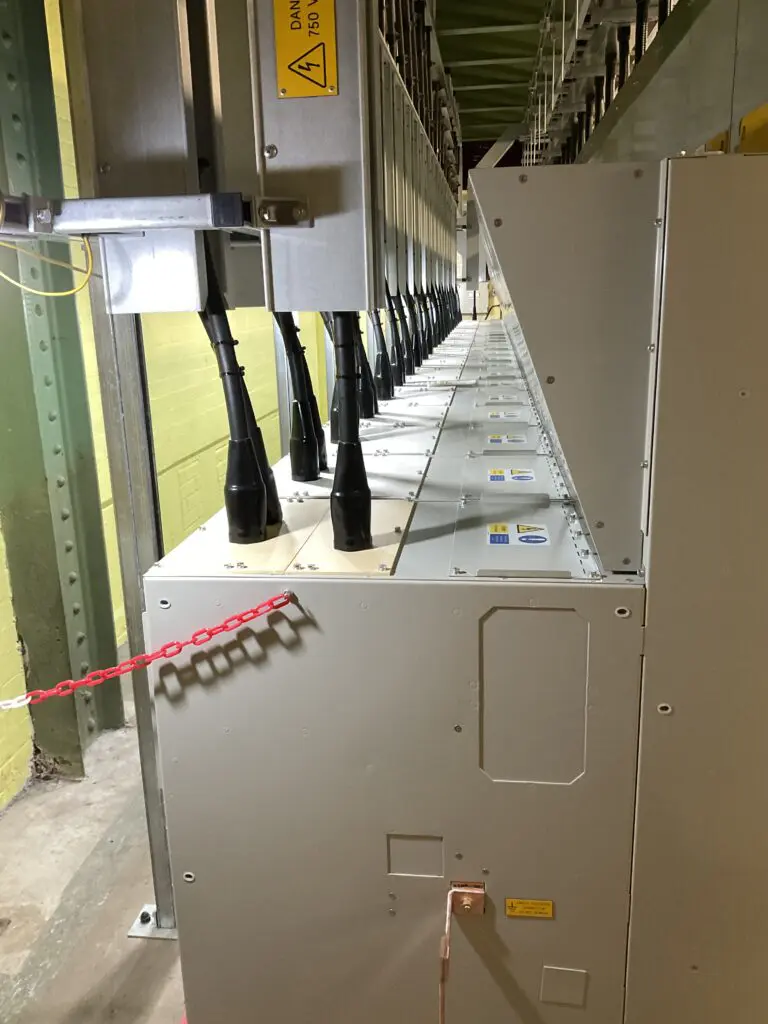
Substations play a crucial role in the electricity transmission and distribution network, adjusting voltage levels to suit different types of buildings and infrastructures. Coljoint Electrical Services manages the installation process, which involves:
Site Design: Designing the substation layout, which may include transformers, switchgear, and control equipment suited for both urban and rural settings.
Construction: Building the physical infrastructure, including foundations, support structures, and control buildings, if necessary. Installation of electrical components and systems, ensuring proper insulation and grounding tailored to the specific requirements.
Integration: Connecting the substation to the grid and other substations, ensuring synchronisation and stability for various types of buildings. Testing all systems to verify operational readiness and safety.
Commissioning: Final testing and calibration of equipment to ensure efficient operation. Training for operational staff, facility managers, and building residents on the system’s operation.
Maintenance
Regular Inspections
- Visual and instrumental inspections to check for signs of damage or degradation, tailored to the specific substation setup.
- Monitoring equipment like transformers, circuit breakers, and protective relays for performance issues.
Preventive Maintenance
- Scheduled servicing of critical components to prevent failures, ensuring that all connected buildings and infrastructures receive uninterrupted power.
- Upgrading systems to the latest standards and technologies, improving efficiency and reliability.
Emergency Repairs
- Fast response to faults or equipment failures to minimise disruption, critical for all types of facilities, including residential, commercial, and industrial.
- Coordination with grid operators to manage load and maintain stability during repairs.
Safety and Upgrades
- Ensuring all safety protocols are followed, including proper signage and protective gear for maintenance personnel.
- Periodic upgrades to improve capacity and support new grid technologies, such as smart grids and renewable integration, which are increasingly important for modern buildings and infrastructures.
Power stations and substations
Power stations and substations are the backbone of the UK’s electricity supply, providing essential services to a diverse range of buildings and infrastructures. Their installation and maintenance are critical to the country’s energy security and efficiency. By adhering to best practices in engineering, safety, and technology, the UK continues to build and maintain a robust and reliable energy infrastructure that meets the needs of both large-scale and small-scale users. Whether you are an energy professional, a business owner, or a property manager, understanding these processes highlights the importance of a well-maintained and efficiently operated power network.

Get In Touch
For more information or inquiries, please contact Coljoint Electrical Services.


